


Table of Contents
- 1. TL;DR: Connectivity for refugees on Sudan’s fragile border
- 2. Introduction to the refugee situation in Sudan
- 3. Entities involved in refugee assistance
- 4. Financing projects in the region
- 5. Countries participating in the crisis response
- 6. Importance of development coordination
- 7. Social Registry and case management
TL;DR: Connectivity for refugees on Sudan’s fragile border
- The situation of refugees in Sudan is critical, with an increase in the number of displaced people.
- Various entities are involved in assisting refugees, including AAAC and Chemonics.
- Financing projects, such as the Africa CDC Regional Investment Financing Project, are essential to the crisis response.
- Several countries, such as Albania and Chad, are actively participating in the response.
- Development coordination is crucial to ensure the effectiveness of assistance initiatives.
Introduction to the refugee situation in Sudan
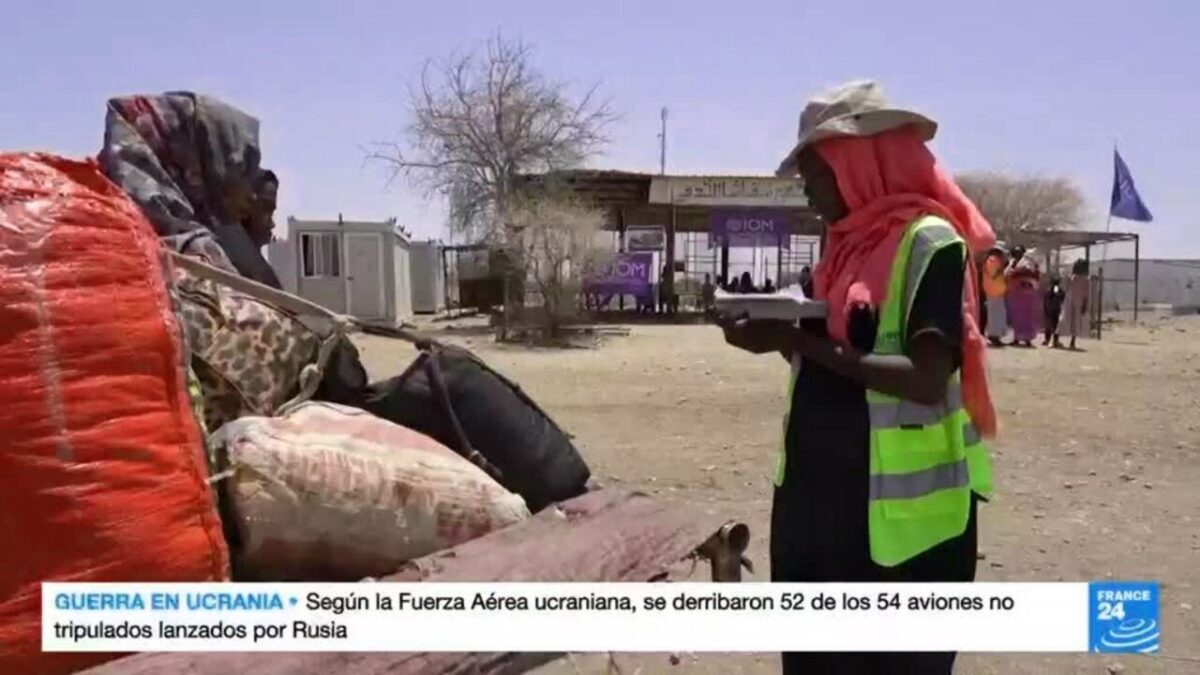
The refugee crisis in Sudan has reached alarming levels, with a growing number of people displaced due to armed conflicts and humanitarian crises. The region has seen a significant increase in the arrival of refugees, who seek safety and access to basic resources. The lack of adequate infrastructure and political instability further complicate the situation, creating a difficult environment for both refugees and host communities.
Refugees face multiple challenges, including lack of access to health services, education, and employment. The situation is exacerbated by resource scarcity and pressure on public services in the affected areas. International and local organizations are working to provide assistance, but resources are limited and the need is urgent.
Entities involved in refugee assistance
Assistance to refugees in Sudan is provided by a variety of entities, each playing a crucial role in the crisis response.
AAAC, ACTION SOLIDAIRE ET DÉVELOPPEMENT (ASD)
AAAC and ASD are two of the key organizations working on refugee assistance. These entities focus on providing humanitarian aid, including food, medical care, and psychosocial support. Their work is essential to alleviate refugees’ living conditions and help them reintegrate into society.
CHEMONICS EGYPT CONSULTANTS and DAI NAM CONSTRUCTION DESIGN CONSULTANT TRADING AND SERVICES JOINT STOCK COMPANY
Chemonics and DAI Nam are consultants who contribute their expertise in implementing development and assistance projects. These organizations collaborate with governments and other entities to design and implement programs that address the needs of refugiad
including the construction of infrastructure and the improvement of basic services.
Financing projects in the region
Financing is essential to address the refugee crisis in Sudan. Several projects are underway to provide resources and support to affected communities.
Africa CDC Regional Investment Financing Project
This project seeks to improve the capacity to respond to health and food security crises in the region. Through strategic investments, it is expected to strengthen health systems and provide assistance to refugees and vulnerable communities. Collaboration among countries and organizations is fundamental to the success of this project.
Countries participating in the crisis response
The response to the refugee crisis in Sudan is not only a local effort; several countries are involved in assisting and supporting refugees.
Albania, Angola, and Argentina
These countries have shown a significant commitment by offering assistance and resources to help refugees. Albania and Angola, in particular, have been active in implementing humanitarian aid and development programs.
Chad, Burkina Faso, and Burundi
Chad, Burkina Faso, and Burundi are also participating in the crisis response, providing logistical support and resources to organizations working on the ground. Cooperation among these countries is vital to address refugees’ needs and improve living conditions in the affected regions.
Importance of development coordination
Development coordination is essential to ensure that assistance efforts are effective and sustainable. Without a clear strategy and collaboration among the different entities involved, resources can be wasted and refugees’ needs may not be adequately met.
Design and implementation of the Technological Strengthening component
Technological strengthening is a key component in development coordination. Investing in technology can improve the efficiency of assistance programs and facilitate communication among organizations. This is crucial to ensure that aid reaches those who need it most in a timely and effective manner.
Social Registry and case management
Social registry and case management are fundamental tools for addressing refugees’ needs. These practices allow the
organizations identify and prioritize those who require urgent assistance.
Needs and challenges in implementation
The implementation of an effective social registry system faces several challenges, including a lack of resources and resistance from communities. It is crucial to address these barriers to ensure that all refugees are accounted for and receive the necessary aid.
Key consultancies and organizations in the region
The participation of consultancies and organizations in the region is vital to the success of refugee assistance programs.
DELOITTE & TOUCHE LLP and EY GHANA
Deloitte and EY Ghana are examples of consultancies that contribute their expertise in project management and development. Their collaboration with local organizations and governments is essential to implement effective and sustainable solutions for refugees.
Conclusions and recommendations
The situation of refugees in Sudan is critical and requires a coordinated and effective response. Below are some key recommendations to improve assistance and support for refugees.
Importance of International Collaboration
International collaboration is essential to address the refugee crisis. Countries and organizations must work together to share resources, knowledge, and best practices. This will not only improve the effectiveness of assistance, but also foster long-term sustainability.
Sustainability in Development Projects
It is crucial that development projects are sustainable and focus on empowering communities. This includes providing training and resources that enable refugees and host communities to rebuild their lives and contribute to the local economy. Sustainability must be a central objective in all assistance initiatives.
In conclusion, the refugee crisis in Sudan is a complex challenge that requires a comprehensive and collaborative approach. Through effective coordination and the commitment of the entities involved, it is possible to improve refugees’ living conditions and help them find a path toward stability and self-sufficiency.