


Table of Contents
- 1. Innovations in 3D printing for laptops
- 2. Artificial intelligence in device design
- 3. Autonomous systems: the future of mobility
- 4. Machine learning and its impact on portable technology
- 5. Natural language processing in virtual assistants
- 6. Electric bicycles: a new era of transportation
- 7. Electric motorcycles: the future of urban mobility
- 8. Trends in laptop technology for 2026
- 9. Conclusions on the influence of the media in contemporary society
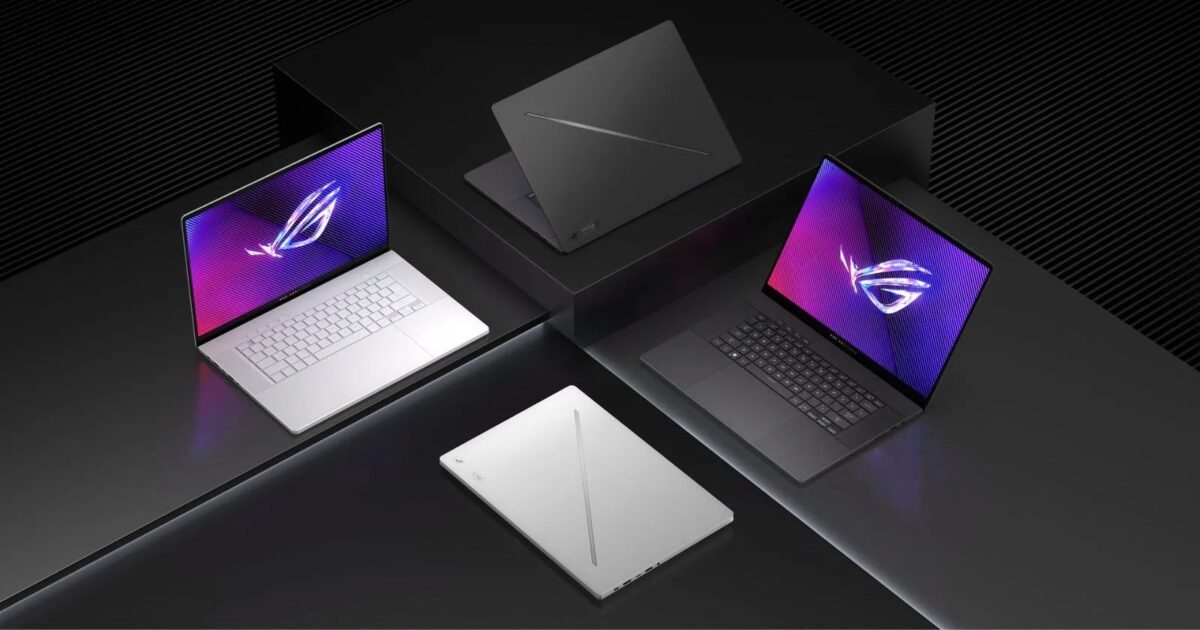
2026 laptops will offer greater power and slimness
- Laptops will be thinner and lighter.
- Innovations in 3D printing will be integrated.
- Artificial intelligence will improve design and functionality.
- An increase in energy efficiency is expected.
- Trends in ergonomics will influence design.
Innovations in 3D printing for laptops
3D printing has revolutionized the way electronic devices are manufactured, including laptops. In 2026, this technology is expected to enable the creation of lighter and more durable components, which will not only reduce the weight of laptops but also improve their durability. Companies are exploring the possibility of 3D-printing internal structures that optimize space and cooling, enabling slimmer designs without compromising performance.
In addition, customization will be a key aspect. Users will be able to choose specific features of their laptops, from the exterior design to the internal layout of components. This will not only offer a more personalized experience, but will also allow manufacturers to respond more quickly to market trends.
Another significant advance is the use of sustainable materials in 3D printing. As environmental awareness grows, manufacturers are looking for ways to reduce their carbon footprint. 3D printing with recycled or biodegradable materials could become the norm, aligning with consumers’ expectations around sustainability.
Artificial intelligence in device design
Artificial intelligence (AI) is transforming device design, and 2026 laptops will be no exception. With advanced algorithms, AI can analyze usage patterns and user preferences to create devices that adapt to their specific needs. This includes everything from performance optimization to user interface customization.
In addition, AI will facilitate the integration of advanced security features. Laptops will be able to recognize behavior patterns and alert users to suspicious activities, thereby improving data protection. The implementation of facial and voice recognition systems is also expected to become standard, offering an additional layer of security and convenience.
AI will also play a crucial role in energy management. With the ability to learn and adapt, laptops will be able to optimize their energy consumption based on usage, extending battery life and reducing environmental impact.
Autonomous systems: the future of mobility
Autonomous systems are at the forefront of technological innovation, and their influence is expected to expand in the coming years. In the context of laptops, this could translate into devices that connect more intelligently with other systems and platforms. For example, laptops could integrate with autonomous vehicles, allowing users to work or enjoy multimedia content while on the move.
In addition, autonomous systems will enable greater automation in the management of daily tasks. Laptops could anticipate the user’s needs, suggesting applications or settings based on context and environment. This will not only improve efficiency, but also offer a smoother and more personalized user experience.
Connectivity between devices will also benefit. As more devices become autonomous, interoperability will be essential. Laptops in 2026 will be designed to communicate seamlessly with other devices, creating a cohesive digital ecosystem that optimizes workflow and productivity.
Machine learning and its impact on portable technology
Machine learning (ML) is changing the way we interact with portable technology. In 2026, laptops are expected to incorporate ML capabilities that enhance the user experience. This includes everything from optimizing system performance to personalizing the browsing experience.
ML algorithms will allow laptops to learn from users’ usage habits, automatically adjusting settings to maximize efficiency. For example, if a user tends to use certain applications at specific times of day, the laptop will be able to pre-load these applications, reducing wait time and improving productivity.
In addition, machine learning will facilitate the continuous improvement of security features. Laptops will be able to identify threat patterns and adapt to new vulnerabilities, offering more robust protection against cyberattacks.
Natural language processing in virtual assistants
Natural language processing (NLP) is revolutionizing the way we interact with our devices. In 2026, laptops are expected to integrate virtual assistants that use NLP to offer a more intuitive and natural experience. This will allow users to communicate with their devices more effectively, using voice commands and everyday language.
Advances in NLP will also improve accessibility. Users with disabilities will be able to benefi
to benefit from more user-friendly interfaces that understand and respond to their specific needs. This will not only broaden access to technology, but will also foster greater inclusion in the use of electronic devices.
In addition, the integration of NLP will allow laptops to perform more complex tasks through simple voice commands. From managing emails to scheduling meetings, users will be able to interact with their devices more efficiently, freeing up time for more important tasks.
Electric bicycles: a new era of transportation
Electric bicycles are gaining popularity as a sustainable and efficient transportation alternative. In 2026, their use is expected to expand even further, driven by the need for cleaner and more accessible urban mobility solutions. Electric bicycles offer a form of transportation that combines the efficiency of the traditional bicycle with electric assistance, making longer and less tiring trips easier.
In addition, innovations in battery technology are improving the range and performance of these bicycles. With lighter, higher-capacity batteries, users will be able to travel longer distances without worrying about charging. This will make electric bicycles a viable option for daily transportation, reducing dependence on motor vehicles.
Cities are also adapting to this trend, investing in infrastructure for electric bicycles, such as charging stations and bike lanes. This not only promotes a healthier lifestyle, but also contributes to reducing traffic congestion and pollution.
Electric motorcycles: the future of urban mobility
Like electric bicycles, electric motorcycles are emerging as an attractive urban mobility option. In 2026, these motorcycles are expected to be more accessible and popular, thanks to advances in technology and design. Electric motorcycles offer an efficient and eco-friendly alternative to motor vehicles, ideal for urban traffic.
Improvements in battery technology are enabling electric motorcycles to have greater range and speed. This makes them a viable option for daily commuting, especially in cities where traffic can be a significant problem. In addition, their lighter and more compact design makes parking and maneuverability easier in urban environments.
The adoption of electric motorcycles is also being driven by government policies that encourage the use of electric vehicles. Tax incentives and subsidies are making these motorcycles more affordable for consumidores, which could accelerate its adoption in the market.
Trends in laptop technology for 2026
Design and ergonomics
The design and ergonomics of laptops are evolving to meet the demands of modern users. In 2026, laptops are expected to be thinner and lighter, without compromising performance. Manufacturers are exploring new materials and manufacturing techniques that make it possible to create more attractive and functional devices.
In addition, ergonomics will be a key aspect of laptop design. With a growing number of people working from home, comfort has become a priority. Laptops in 2026 will include features such as adjustable keyboards and screens that reduce eye strain, improving the user experience.
Performance and energy efficiency
Laptop performance will continue to be a priority in 2026, with more powerful and efficient processors. Innovations in semiconductor technology will allow laptops to handle more complex tasks without increasing power consumption. This will not only improve the user experience, but also contribute to sustainability by reducing energy use.
Energy efficiency will be a key focus in laptop development. With growing concern for the environment, manufacturers are committed to creating devices that are not only powerful, but also environmentally friendly. This will include the use of recycled materials and the implementation of technologies that optimize energy consumption.
Conclusions on the influence of the media in contemporary society
The evolution of narrative in television
Narrative in television has evolved significantly in recent decades. From the introduction of long-format series to the popularity of streaming platforms, the media have changed the way we consume stories. This evolution has enabled a greater diversity of voices and narratives, better reflecting the complexity of contemporary society.
Impact of technology on audiovisual production
Technology has transformed audiovisual production, making it more accessible to creators at all levels. With more affordable editing and production tools, independent filmmakers can tell their stories without the need for large budgets. This has led to an explosion of original and diverse content in the media landscape.
The role ofethics in entertainment
Ethics in entertainment is an increasingly relevant topic in contemporary society. As the media influence public opinion and culture, it is crucial that creators consider the impact of their work. Responsible representation and cultural sensitivity are aspects that must be considered in content production, ensuring that an inclusive and respectful narrative is fostered.
Transforming the Customer Experience in Telecommunications
The Need for Innovation in the Sector
The telecommunications industry is constantly evolving, driven by the need for innovation. With the growing demand for high-quality services and connectivity, companies must quickly adapt to consumer expectations. Innovation not only improves the customer experience, but also enables companies to remain competitive in a saturated market.
Benefits of Automation in Customer Service
Automation is transforming customer service in the telecommunications sector. With the implementation of chatbots and automated response systems, companies can offer 24/7 assistance, improving customer satisfaction. This not only reduces wait times, but also frees up human agents to handle more complex inquiries.
The Importance of Omnichannel Integration
Omnichannel integration is essential to deliver a consistent customer experience. Consumers expect to be able to interact with companies across multiple platforms, from social media to mobile apps. Telecommunications companies that implement omnichannel strategies can improve customer loyalty and increase retention rates.
How Suricata Cx Increases Operational Efficiency
Suricata Cx is a tool that enables telecommunications companies to optimize their operations. With advanced analytics and automation capabilities, Suricata Cx helps companies identify areas for improvement and implement effective solutions. This not only increases operational efficiency, but also improves the customer experience.
Success Stories and Customer Testimonials
Success stories and customer testimonials are essential to demonstrate the value of the solutions implemented. Telecommunications companies that share success stories can inspire confidence in new customers and highlight the effectiveness of their services. These testimonies also provide valuable insight into how the solutions have positively impacted the customer experience.
As 2026 laptops become thinner, more powerful, and more customizable, it is essential for telecommunications companies, such as Suricata Cx, to adapt to these innovations to deliver an exceptional customer experience. With its artificial intelligence–driven customer experience platform, Suricata Cx is poised to help service providers optimize their operations and ensure that users enjoy the connectivity and support they need in an increasingly digital world. The combination of advanced technology and a customer-centric approach will enable companies not only to keep up with trends, but also to lead the way into the future.