


Table of Contents
- 1. TL;DR: Growth and Challenges of the Digital Economy in India
- 2. Growth of India’s digital economy
- 3. Key challenges in the digital economy
- 4. Innovation and its impact on growth
- 5. The connectivity gap in India
- 6. Government initiatives for digital inclusion
- 7. The role of digital infrastructure
- 8. Technology investment outlook
- 9. Collaboration between sectors for growth
- 10. The future of the digital economy in India
- 11. Conclusions and recommendations
- 12. Growth and Challenges of India’s Digital Economy According to the GSMA Report
TL;DR: Growth and Challenges of the Digital Economy in India
- India’s digital economy has grown to $370 billion in 2023, with projections to surpass $1 trillion by 2030.
- Despite the growth, 47% of the population still lacks internet access, and women are 33% less likely to use it.
- The lack of innovation and investment in R&D are critical challenges that threaten sustainable growth.
- Government initiatives are essential to close the connectivity gap and foster digital inclusion.
- Collaboration between sectors is key to achieving India’s digital sovereignty goals for 2047.
Growth of India’s digital economy
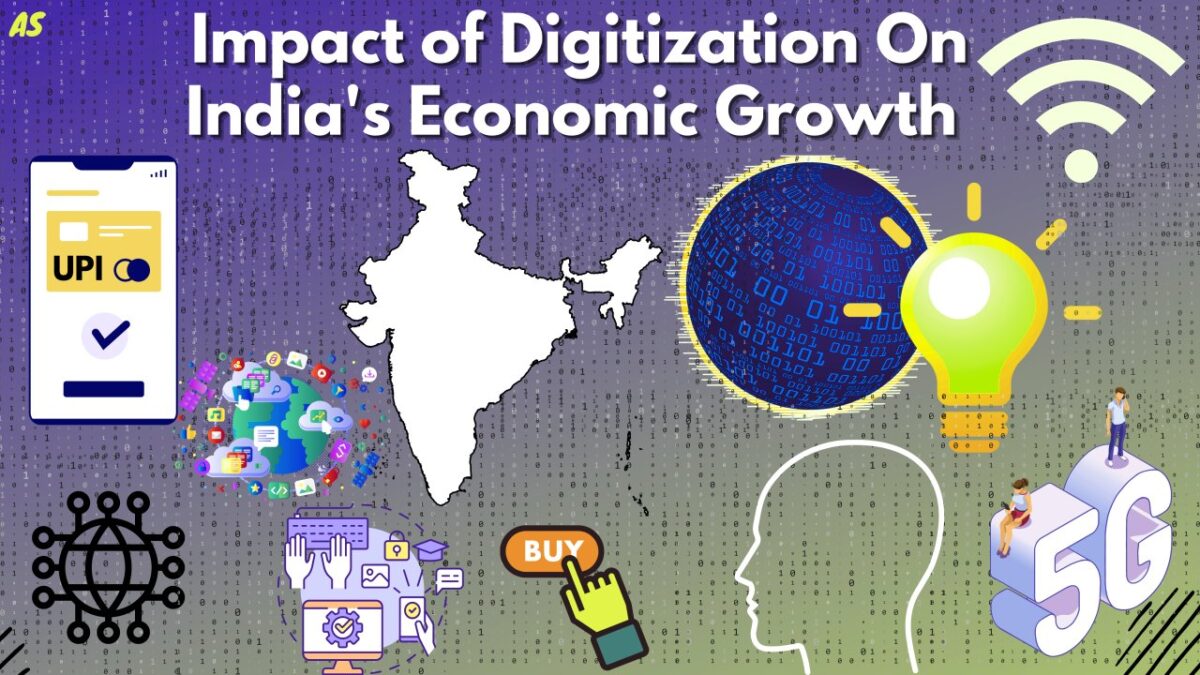
India’s digital economy has experienced remarkable growth over the past decade, rising from $108 billion in 2013 to $370 billion in 2023. This growth represents a threefold increase in just ten years, and it is expected to continue its ascent, with projections suggesting it could surpass $1 trillion by 2030. This growth has been driven by a combination of factors, including the expansion of digital infrastructure, increased use of mobile devices, and the adoption of digital technologies across various sectors.
The GSMA report highlights that India is above the average of Asia-Pacific countries in several dimensions of the GSMA Digital Nations Index, especially in security and infrastructure. However, despite these achievements, the country faces significant challenges that could hinder its progress toward digital sovereignty by 2047.
One of the most notable aspects of the growth of the digital economy is the positive impact on financial and social inclusion. The government’s Digital India plan has been instrumental in this regard, promoting access to digital and financial services for a larger share of the population. However, the report also notes that, despite these advances, 47% of India’s population still lacks internet access, which represents a considerable obstacle to inclusive growth.
Key challenges in the digital economy
Despite the impressive growth of the digital economy, India faces several critical challenges that threaten its sustainability and expansion. One of the most pressing issues is the lack of innovation. Although India has led in the implementation of digital public infrastructure and in expanding mobile connectivity, the country lags behind in terms of investment in research and development (R&D), private-sector innovation, and retention of skilled professionals.
The connectivity gap is
another significant challenge. The GSMA report reveals that women in India are 33% less likely to use the internet compared to men, contributing to a digital inequality that could hinder inclusive growth. Without addressing this gap, India’s inclusive development goal could be compromised.
In addition, the risk of a “brain drain dividend” is a growing concern. Without urgent action, India’s top talent could be attracted by global competitors, limiting the country’s internal growth potential. This phenomenon could have long-term consequences for India’s digital economy, as the lack of skilled talent could slow innovation and technological development.
Innovation and its impact on growth
Innovation is a key driver of digital economy growth, and the GSMA report underscores that, despite advances in infrastructure and connectivity, India urgently needs to improve its innovation capacity. Investment in R&D is essential to foster an innovation ecosystem that enables local companies to compete globally.
The lack of an enabling environment for innovation has led many startups and technology companies in India to face difficulties scaling and developing innovative solutions. Collaboration among government, industry, and educational institutions is essential to create an ecosystem that promotes research and the development of new technologies.
An example of innovation that has had a positive impact on the digital economy is the proliferation of mobile payment and fintech solutions, which have facilitated access to financial services for millions of Indians. However, for these innovations to be sustainable, it is crucial to address connectivity challenges and promote digital inclusion.
The connectivity gap in India
The connectivity gap in India is a persistent challenge that affects a large part of the population. Despite government efforts to expand digital infrastructure, 47% of Indians still lack internet access. This situation is particularly severe in rural areas and among women, who face additional barriers to accessing technology.
The GSMA report highlights that the lack of connectivity not only limits access to information and services, but also hinders economic and social development. Disconnected communities are deprived of opportunities for education, employment, and access to essential services, perpetuating cycles of poverty and inequality.
To address this gap, it is essential to implement policies that encourage the expansion of digital infrastructure in areas ofunderserved. This includes investment in fiber-optic networks, telecommunications towers, and affordable connectivity solutions that can reach the most remote communities.
Government initiatives for digital inclusion
The government of India has launched several initiatives to promote digital inclusion and close the connectivity gap. The Digital India program is one of the most significant efforts, aiming to transform India into a digitally empowered society. This program includes measures to improve digital infrastructure, promote digital literacy, and ensure access to online services for all citizens.
In addition, the government has implemented specific programs to address gender inequality in internet access. These initiatives seek to empower women through digital education and access to technologies that enable them to participate fully in the digital economy.
However, despite these efforts, the GSMA report warns that a more comprehensive and collaborative approach is needed to address the challenges of digital inclusion. Collaboration between the government, the private sector, and civil society is essential to create an environment that fosters innovation and equitable access to technology.
The role of digital infrastructure
Digital infrastructure is a critical component for the growth of India’s digital economy. The expansion of telecommunications networks, data centers, and cloud services has enabled businesses and citizens to access digital services more efficiently. However, the existing infrastructure is still not sufficient to meet growing demand.
The GSMA report highlights that, although India has made significant progress in deploying digital infrastructure, there are still areas that require urgent attention. Investment in high-quality infrastructure is essential to ensure that all citizens have access to the internet and digital services.
In addition, digital infrastructure must be resilient and able to adapt to new emerging technologies, such as artificial intelligence and 5G. This requires strategic planning and effective collaboration between the government and the private sector to ensure that India’s digital infrastructure is prepared for the future.
Technology investment outlook
The outlook for technology investment in India is promising, with growing interest from domestic and international investors. India’s digital economy is attracting venture capital and funding for tech startups, indicating a vibrant and growing ecosystem.
However, to capitalize on these opportunities, it is essential for India to address the challenges of innovation and connectivity. Investors seek environments that foster collaboration and creativity, and the lack of adequate infrastructure and skilled talent can limit growth potential.
The GSMA report suggests that the government should create policies that incentivize investment in R&D and in the creation of technology companies. This includes implementing regulatory frameworks that facilitate innovation and collaboration among companies, universities, and research centers.
Collaboration between sectors for growth
Collaboration between sectors is fundamental to the sustainable growth of India’s digital economy. The GSMA report emphasizes the importance of joining forces among government, industry, and civil society to address the challenges of digital inclusion and foster innovation.
Public-private partnerships can play a crucial role in expanding digital infrastructure and promoting innovative solutions that benefit all citizens. These collaborations can help close the connectivity gap and ensure that the most vulnerable communities have access to digital services.
In addition, international collaboration is also essential for India to leverage its position as a leader in the Global South. By working with other countries and organizations, India can share knowledge and best practices that drive its digital growth and strengthen its influence in the global technology arena.
The future of the digital economy in India
The future of the digital economy in India is promising, but it is also full of challenges. With projections indicating that the digital economy could contribute up to 20% of GDP in the future, it is crucial that the country address inclusion and innovation issues to reach its full potential.
The GSMA report highlights that the key to the future of the digital economy lies in India’s ability to close existing gaps and foster an environment that promotes innovation and collaboration. This includes investment in digital infrastructure, strengthening R&D capabilities, and promoting digital inclusion for all citizens.
If India can overcome these challenges, the country will not only achieve its digital sovereignty goals for 2047, but will also establish itself as a leader in the global digital economy.
Conclusions and recommendations
India’s digital economy has shown impressive growth, but it faces significant challenges that must be addressed to ensure its sustainability. Key recommendations include:
- Fostering innovation: Increase investment in R&D and create an environment that supports innovation in the private sector.
- Closing the connectivity gap: Implement policies that guarantee internet access for everyone, especially in rural areas and among women.
- Promoting collaboration: Encourage partnerships between government, industry, and civil society to address the challenges of digital inclusion.
- Investing in infrastructure: Ensure that digital infrastructure is robust and able to adapt to new emerging technologies.
- Attracting investment: Create a regulatory framework that incentivizes investment in technology and startups.
By following these recommendations, India can not only achieve its economic growth goals, but also ensure that digital development is inclusive and sustainable for all its citizens.
Growth and Challenges of India’s Digital Economy According to the GSMA Report
Exponential Growth of the Digital Economy
India’s digital economy has grown exponentially, with projections suggesting that it could contribute significantly to the country’s GDP in the coming years.
Key Challenges for Inclusion and Innovation
Despite the growth, the lack of digital inclusion and innovation represents a critical challenge that must be addressed to ensure sustainable growth.
Priorities for India’s Digital Sovereignty
To achieve its digital sovereignty goals, India must focus on cross-sector collaboration, investment in infrastructure, and the promotion of innovation.
The Role of Collaboration and Investment
Collaboration between government, industry, and civil society is essential to address the challenges of the digital economy and foster an inclusive environment.
Conclusions and Future Outlook
The future of the digital economy in India is promising, but it requires a strategic approach to close existing gaps and foster innovation and inclusion.