


Table of Contents
- 1. TL;DR: The UN and partners improve connectivity for refugees in Chad
- 2. Connectivity Initiative for Refugees in Chad
- 3. Connection Goals for 2030
- 4. Impact of Connectivity on Vulnerable Communities
- 5. Learning Centers in Refugee Settlements
- 6. Collaboration between UNHCR and ITU
- 7. Challenges and Investment Needs
- 8. Commitments of the Government of Chad
- 9. Expected Results of the Initiative
- 10. Initiatives for Refugee Connectivity in Chad
TL;DR: The UN and partners improve connectivity for refugees in Chad
- The UN and partners aim to connect 20 million refugees and local communities in Chad by 2030.
- Learning centers have been established in refugee settlements.
- Collaboration between UNHCR and the ITU is driving digital infrastructure.
- The government of Chad is committed to digital inclusion through the Tchad Connexion 2030 plan.
- Significant challenges remain in investment and regulation.
Connectivity Initiative for Refugees in Chad
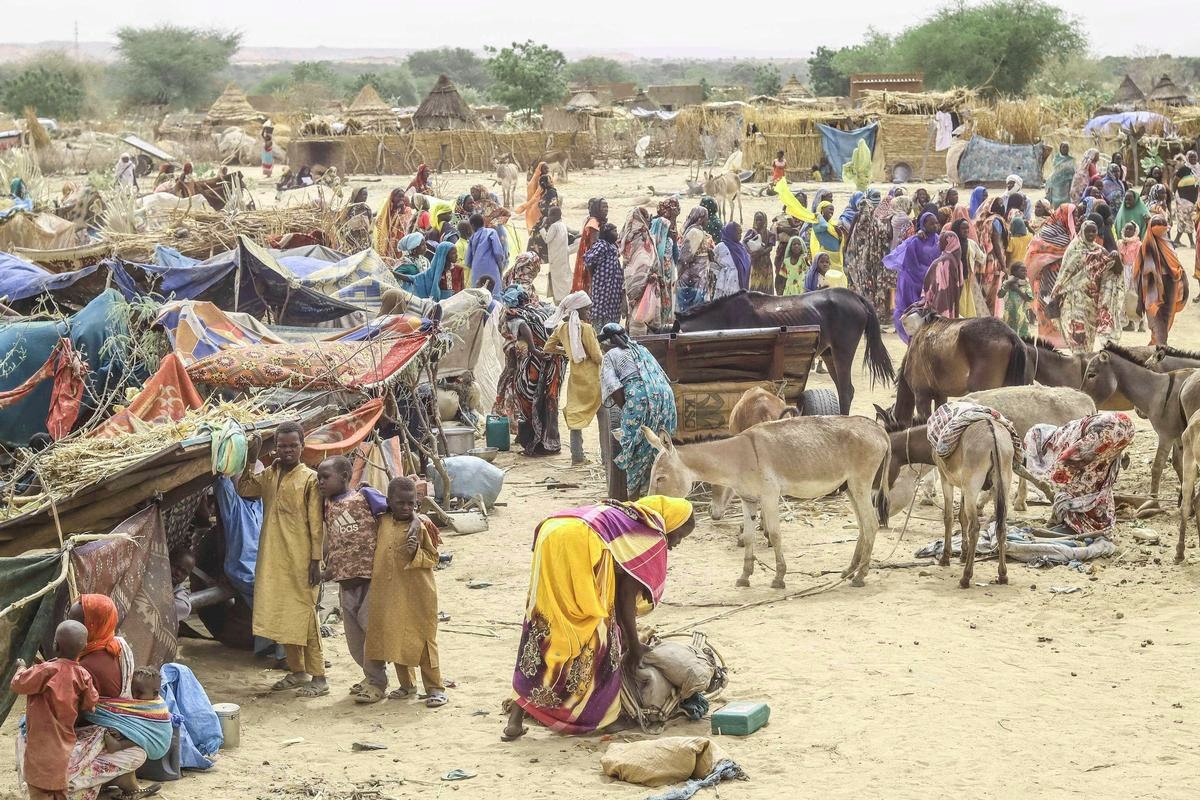
The Connectivity for Refugees (CfR) Initiative, launched in 2023 during the Global Refugee Forum, aims to ensure that all major refugee-hosting areas have available and affordable connectivity by 2030. This initiative seeks to mobilize resources and has evolved into an active public-private partnership in several countries, including Chad, where there are an estimated 1.5 million refugees, mainly from Sudan.
During a recent visit to Chad, ITU Secretary-General Doreen Bogdan-Martin and other leaders of humanitarian organizations observed how connectivity is transforming the lives of vulnerable communities. Sudanese refugees and Chadians are using digital tools to access education, financial services, and healthcare, enabling them to move toward greater stability and self-reliance.
The initiative not only focuses on connectivity, but also seeks to establish a regulatory and infrastructure framework that facilitates access to technology. This includes collaboration with local mobile operators, such as Airtel Chad and Moov, which have made infrastructure improvements to connect the most isolated areas of the country.
Note: Connectivity is considered a lifeline for vulnerable communities, not a luxury.
Connection Goals for 2030
The CfR’s goals are ambitious: connect 20 million displaced people and their host communities by 2030. This entails not only expanding digital infrastructure, but also removing regulatory barriers that prevent individual access to connectivity. To achieve this, significant financial support is required, with a target of at least $20 million in foundational support and $200 million in direct investments.
The ITU is working with telecommunications regulators and industry leaders to develop innovative digital solutions for underserved regions. The Partner2Connect Digital Coalition has mobilized commitmfrom more than 70 governments, companies, and organizations to unlock connectivity solutions for refugees, demonstrating a global effort to close the digital divide.
In addition, the ITU has implemented the Disaster Connectivity Map, which provides critical data to guide interventions in crisis-affected regions, such as Chad. This comprehensive approach is essential to ensure that connectivity is not only accessible, but also sustainable in the long term.
Impact of Connectivity on Vulnerable Communities
Connectivity has a profound impact on vulnerable communities, as it enables them to access essential services and improve their quality of life. In Chad, refugees and local communities are using technology to access education, healthcare, and economic opportunities. This not only helps individuals improve their circumstances, but also strengthens social cohesion and community resilience.
The learning centers established in refugee settlements, such as Djabal, Farchana, Idrimi, and Oure Cassoni, serve as hubs for education and training. These centers not only benefit refugees, but are also open to host communities, fostering a sense of unity and collaboration among different groups.
Connectivity also facilitates access to financial services, enabling refugees to start small businesses and improve their self-reliance. As communities become more connected, there is an increase in economic and social participation, contributing to stability and peace in the region.
“Connectivity can restore dignity and hope for displaced people and host communities.”
Doreen Bogdan-Martin, ITU Secretary-General
Learning Centers in Refugee Settlements
The learning centers are a fundamental part of the connectivity initiative, providing a space where refugees can access education and training. These centers are designed to be inclusive, benefiting both refugees and local communities. In Chad, four centers are being established in specific settlements, each tailored to local needs.
These centers not only offer access to the internet and educational resources, but also serve as community gathering points, promoting integration and cultural exchange. Education is an essential pillar for refugee empowerment, and these centers are designed to equip individuals with the skills needed to thrive in a digital environment.
Key: Education and connectivity are powerful tools for social and economic inclusion.
Collaboration between UNHCR and ITU
The collaboration between UNHCR (the United Nations High Commissioner for Refugees) and the ITU is crucial to the success of the connectivity initiative. Both organizations are working together to establish a framework that enables the expansion of digital infrastructure in refugee-hosting areas. This collaboration includes identifying the specific needs of communities and implementing solutions tailored to those contexts.
UNHCR is seeking partnerships with development actors, such as the World Bank and the International Finance Corporation (IFC), to ensure that digital infrastructure projects include areas that host refugees. This is essential to ensure that the benefits of connectivity are distributed equitably and that vulnerable communities are not left behind in the digital transformation.
“Too many people see refugees as passive victims, but in Chad we saw their drive to connect and learn.”
Kelly T. Clements, UNHCR Deputy High Commissioner
Challenges and Investment Needs
Despite progress, implementing the connectivity initiative faces several challenges. One of the main obstacles is the need for significant investment in infrastructure. It is estimated that at least $200 million in direct investments are required to achieve the connectivity goals by 2030.
In addition, there are regulatory barriers that hinder refugees’ access to connectivity. These barriers include the lack of clear policies that facilitate digital inclusion and access to telecommunications services. To overcome these challenges, it is essential that governments and international organizations work together to create an environment that fosters investment and innovation in the digital sector.
Note: Collaboration between the public and private sectors is essential to overcome investment and regulatory challenges.
Commitments of the Government of Chad
The government of Chad has demonstrated a strong commitment to digital inclusion through its development plan Tchad Connexion 2030. This plan integrates refugees’ needs into the country’s broader digital infrastructure, ensuring that vulnerable communities have access to technology and digital services.
Chad has also been working with local mobile operators to improve infrastructure in the most isolated areas of the country. These improvements are essentiato ensure that refugees and host communities can benefit from connectivity and access essential services.
The government’s commitment is a positive step toward creating a more inclusive and equitable environment for all citizens, regardless of their migration status.
Expected Results of the Initiative
The expected results of the Refugee Connectivity Initiative are significant and have the potential to transform the lives of millions of people. It is expected that, by 2030, connectivity will enable 20 million refugees and host communities to access education, healthcare, and economic opportunities.
In addition, the initiative seeks to foster social cohesion and integration between refugees and local communities. By providing access to digital services, communities are expected to become more resilient and self-sufficient, which will contribute to stability and peace in the region.
The success of this initiative will depend on continued collaboration among governments, international organizations, and the private sector to overcome challenges and ensure that no one is left behind in the digital era.
Initiatives for Refugee Connectivity in Chad
Importance of Connectivity for Refugees
Connectivity is essential for empowering refugees, enabling them to access basic services and improve their quality of life.
Strategic Collaborations in Chad
Collaboration between UNHCR, the ITU, and local mobile operators is key to the success of the initiative.
Impact on Local Communities
Connectivity not only benefits refugees, but also strengthens host communities, promoting social cohesion.
Challenges and Opportunities in Implementation
Overcoming investment and regulatory barriers is crucial to achieving connectivity goals.
Future Vision for Digital Inclusion
Digital inclusion is a long-term goal that requires the commitment of multiple stakeholders to ensure that everyone has access to technology.
The refugee connectivity initiative in Chad represents a significant effort to address the needs of millions of displaced people and their host communities. As progress is made toward 2030, it is essential to maintain momentum and continue working collaboratively to ensure that no one is left behind in the digital era.

Martin Weidemann is a specialist in digital transformation, telecommunications, and customer experience, with more than 20 years leading technology projects in fintech, ISPs, and digital services across Latin America and the U.S. He has been a founder and advisor to startups, works actively with internet operators and technology companies, and writes from practical experience, not theory. At Suricata he shares clear analysis, real cases, and field learnings on how to scale operations, improve support, and make better technology decisions.