


Table of Contents
- 1. TL;DR: Quantum Computing and Its Transformative Potential
- 2. Introduction to Quantum Computing
- 3. The Perspective of Venture Capital Investors
- 4. Potential Applications of Quantum Computing
- 5. Challenges and Risks in Quantum Investment
- 6. The Future of Quantum Computing
TL;DR: Quantum Computing and Its Transformative Potential
- Quantum computing could revolutionize industries such as healthcare, cybersecurity, and materials science.
- Investors like Alexa von Tobel see great potential in quantum computing, even above artificial intelligence.
- Challenges include technological limitations and the need for appropriate regulation.
- The quantum computing market is expected to reach $173 billion by 2040.
- The interplay between artificial intelligence and quantum computing could accelerate significant advances.
Introduction to Quantum Computing
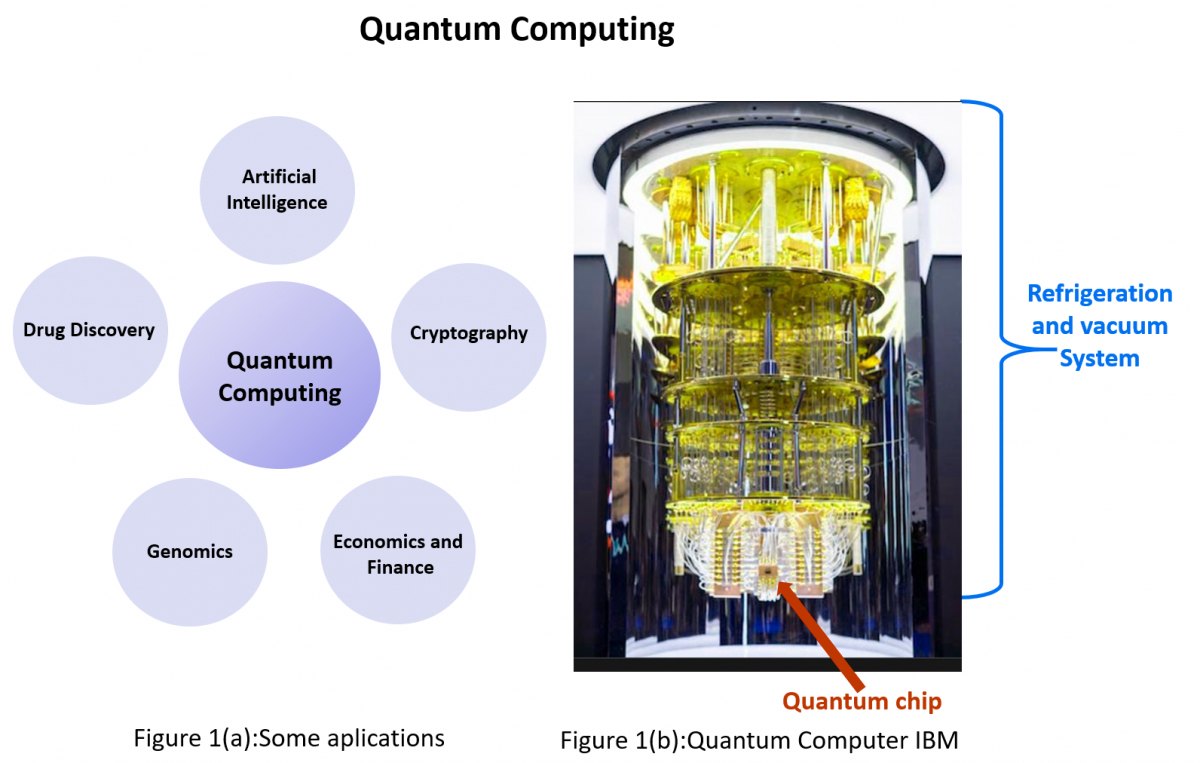
Quantum computing represents a new frontier in technology, using principles of quantum mechanics to process information in ways that classical computers cannot. Unlike traditional bits, which are 0 or 1, qubits can exist in multiple states simultaneously, enabling complex calculations at unprecedented speeds. This breakthrough promises to transform not only computing, but also entire sectors such as healthcare, energy, and security.
The Perspective of Venture Capital Investors
Motivations for investing in quantum computing
Investors like Alexa von Tobel, co-founder of Inspired Capital, are betting heavily on quantum computing. In a recent interview, von Tobel stated:
“The risk of being too early is a real risk.”
Alexa von Tobel
She acknowledges that, while investing in quantum computing can be risky, the potential return is immense. Quantum computing could unlock scientific discoveries that currently seem unattainable.
Comparison with artificial intelligence
Quantum computing is positioning itself as the next major innovation after artificial intelligence. Von Tobel mentions that the demand for computing for artificial intelligence is changing the technological infrastructure, which makes quantum computing more likely to succeed. In her view, “quantum computing could be the next horizon of innovation.”
Potential Applications of Quantum Computing
Impact on healthcare and pharmacology
Quantum computing could accelerate drug discovery by simulating molecular interactions instantly, reducing significatively the research and development timelines. This could lead to breakthroughs in medical treatments that are currently impossible.
Revolution in cybersecurity and cryptography
With the ability to break traditional encryption methods, quantum computing also poses significant risks, but at the same time, it creates opportunities to develop post-quantum cryptography solutions.
Transformation in materials science
The ability to perform complex simulations could lead to the invention of new materials and products, revolutionizing industries such as energy and manufacturing.
Challenges and Risks in Quantum Investment
Current technological limitations
Despite its potential, quantum computing faces significant challenges, such as qubit stability and error correction. The technology is still in an early stage of development, which means investors must be patient.
Competition and market regulation
Competition in the sector is fierce, with multiple companies and governments investing in research and development. In addition, appropriate regulation will be crucial for the market’s growth, especially in areas such as cybersecurity.
The Future of Quantum Computing
Market growth projections
The quantum computing market is expected to reach $173 billion by 2040, with a potential global economic value of between $450 and $850 billion. This growth is driven by the increasing demand for advanced technological solutions.
Interaction between artificial intelligence and quantum computing
The combination of artificial intelligence and quantum computing could result in significant advances, enabling machines to process information at unprecedented speeds and solve complex problems that are currently unattainable.
VC perspective on the potential of quantum computing versus AI
Alexa von Tobel’s bet on quantum computing
Von Tobel has made significant investments in quantum computing startups, such as Logiqal, which seeks to build one of the first large-scale quantum computers. Her focus on hardware reflects the need to establish a solid foundation forthe future of quantum computing.
Comparison between quantum computing and artificial intelligence
Both technologies have the potential to transform industries, but quantum computing could offer solutions to problems that artificial intelligence cannot solve on its own. This includes the ability to perform complex calculations at speeds that surpass classical computers.
The future of quantum computing and its impact on various industries
As the technology matures, quantum computing is expected to have a profound impact on sectors such as healthcare, energy, and security, offering innovative solutions to complex challenges.
Driving Operational Efficiency in the Telecommunications Sector with Suricata LA
The Importance of an Omnichannel Platform
In the context of technological evolution, omnichannel platforms become essential to improve the customer experience and optimize operations.
Benefits of Automation in Customer Service
Automation can reduce costs and improve efficiency, allowing companies to focus on innovation and growth.
Success Stories in the Implementation of Suricata Cx
Companies that have adopted solutions such as Suricata Cx have seen significant improvements in customer satisfaction and operational efficiency.
Quantum computing represents a paradigm shift in technology, and its continued development could lead to advances that transform the way industries operate. With strategic investments and a focus on innovation, the future of quantum computing is promising.