


Table of Contents
- 1. TL;DR: TiVo’s legal victories didn’t sustain its position in TV
- 2. TiVo’s impact on the DVR industry
- 3. Legal battles and their relevance
- 4. The obsolescence of the Time Warp patent
- 5. Challenges amid the rise of streaming
- 6. The decline of pas pay TV subscriptions
TL;DR: TiVo’s legal victories didn’t sustain its position in TV
- TiVo popularized the DVR, but failed to adapt to the streaming era.
- The company won numerous legal battles, but focused too much on patent defense.
- The decline in pay-TV subscriptions hit TiVo hard.
- The obsolescence of its Time Warp patent limited its ability to innovate.
- TiVo was acquired by Rovi and later by Xperi, focusing on intellectual property rather than hardware.
TiVo’s impact on the DVR industry
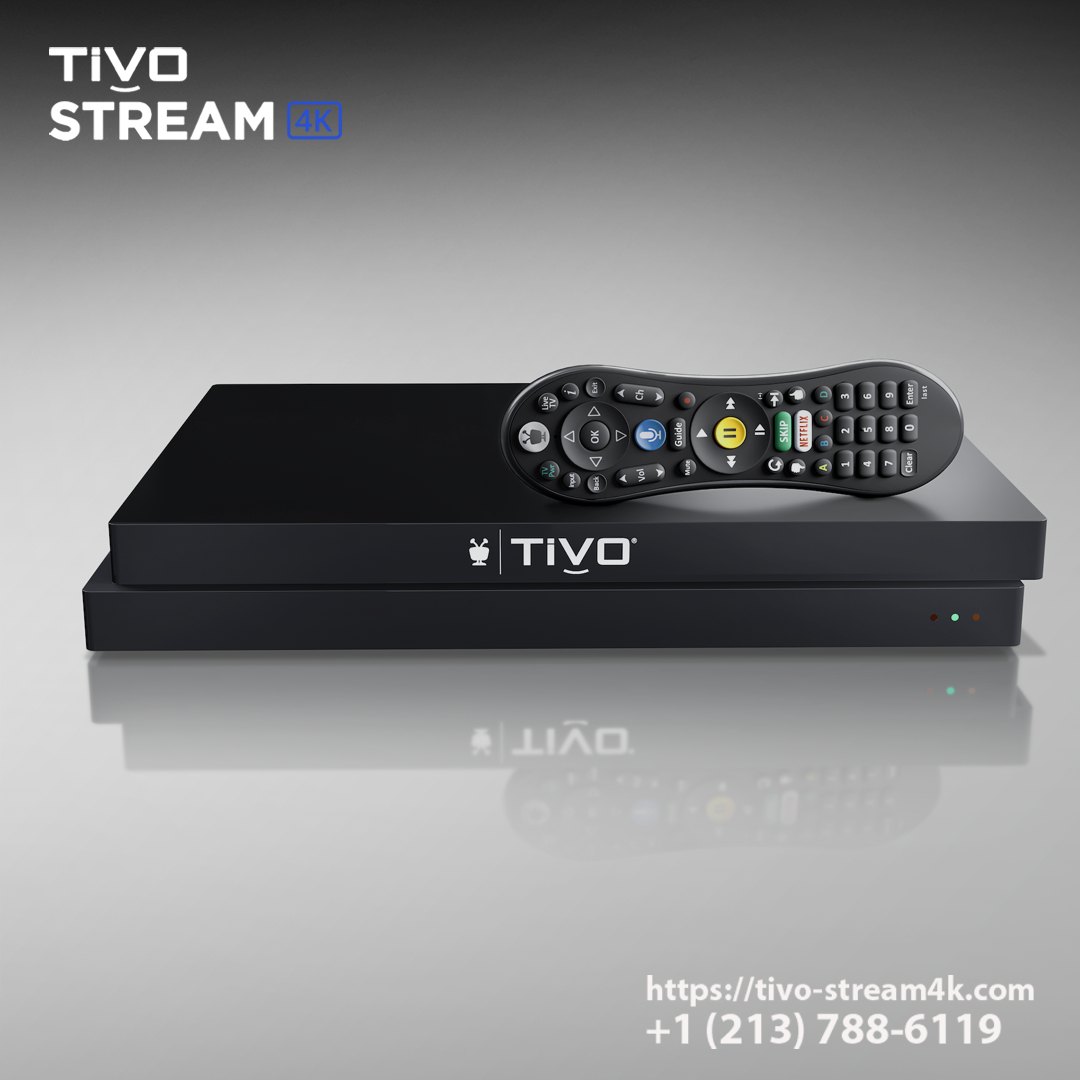
TiVo, although it wasn’t the inventor of the DVR, became synonymous with this technology in the 2000s. Its name turned into a verb, “TiVo,” meaning to record TV shows. The company introduced innovative features that changed the way viewers interacted with television, such as pausing and rewinding in real time, as well as recording multiple programs simultaneously.
Innovative features of TiVo
TiVo pioneered several features that became industry standards. TiVo’s user interface was intuitive and allowed users to easily navigate their recorded content. The “recording timer” feature allowed users to schedule recordings from anywhere via TiVo Central Online, and the option to transfer recordings to a computer with TiVoToGo was revolutionary. These innovations not only improved the user experience, but also set a new standard for video recording devices.
Popularization of the DVR in households
During its heyday, TiVo helped popularize the DVR in American households. At its peak, the company had more than 4 million subscribers. However, as cable providers began including DVRs in their packages, the need for a standalone TiVo device began to decline. Competition intensified, and many consumers opted for the cheaper solutions offered by their TV providers.
Legal battles and their relevance
Throughout its history, TiVo was involved in numerous legal battles to protect its intellectual property, especially its Time Warp patent. Although it won most of these disputes, the time and resources devoted to these legal fights limited its ability to innovate and adapt to a rapidly evolving market.
The battle against EchoStar
TiVo’s most notable battle
was against EchoStar, which began in 2004 and dragged on for nearly a decade. TiVo sued EchoStar for patent infringement, and in 2011, the court ruled in TiVo’s favor, resulting in a $500 million settlement. This victory was significant, but it also marked the beginning of an excessive focus on patent defense rather than product innovation.
Other significant legal victories
In addition to EchoStar, TiVo faced other industry giants, such as Motorola and Time Warner Cable, winning most of the cases. These legal victories reaffirmed the validity of its Time Warp patent, but as the market evolved toward streaming, the value of these victories faded. The company focused so much on protecting its technology that it lost sight of emerging trends in media consumption.
The obsolescence of the Time Warp patent
The Time Warp patent, which covered television recording and playback technology, became a burden for TiVo. As the industry moved toward streaming and on-demand viewing, the relevance of this patent declined. TiVo found itself in a difficult position, as its main asset became obsolete in an environment where consumers preferred streaming services like Netflix and Hulu.
Challenges amid the rise of streaming
The rise of streaming presented significant challenges for TiVo. As more consumers opted for streaming platforms, demand for traditional DVR devices began to decline. TiVo, which had been a pioneer in television recording, was overtaken by the speed and convenience of streaming services.
Impact of Netflix and Hulu on the market
The launch of Netflix in 2007 and Hulu in 2008 radically changed the entertainment landscape. These platforms offered instant access to a vast content library, making the recording of television programs less relevant. TiVo tried to adapt by integrating streaming services into its platform, but it often felt like a belated attempt to stay afloat in a market that had already changed.
Competition with streaming devices
Competition from streaming devices like Roku and Chromecast also affected TiVo. These devices offered a simplified user experience at much lower prices, making them attractive to consumers. TiVo, with its business model based on hardware and subscriptions, found itself at a disadvantage compared to these more affordable and accessible solutions.
The decline of pas pay TV subscriptions
The decline in pay TV subscriptions had a direct impact on TiVo. As more people chose to cut the cord and switch to streaming services, TiVo’s customer base began to shrink.
Subscription statistics in the U.S.
According to nScreenMedia, pay TV subscriptions peaked in 2010, with approximately 103 million subscribers in the U.S. By 2025, this number had fallen to just 49.6 million. This drop in pay TV subscriptions severely affected TiVo, which relied on a business model based on selling devices and subscriptions.
The effect of cord-cutting on TiVo
The “cord-cutting” phenomenon has been devastating for TiVo. As consumers abandoned pay TV services, TiVo found itself struggling to maintain its relevance. The company was unable to adapt quickly enough to new market trends, resulting in a significant loss of customers and, ultimately, a decline in its revenue.
TiVo’s struggle against the competition
As the television market evolved, TiVo faced increasingly fierce competition. The company’s inability to innovate and adapt to new technologies left it vulnerable to more agile competitors.
Difficulties competing with cable DVRs
DVRs offered by cable providers became a popular option for consumers. These devices were often free or included in cable packages, making it difficult for TiVo to justify its additional cost. The lack of differentiation in its product led many consumers to choose the more convenient and economical solutions offered by their TV providers.
Disadvantages compared to Roku and Chromecast
The arrival of streaming devices like Roku and Chromecast also posed a significant challenge for TiVo. These devices were more affordable and offered access to a wide range of streaming content. TiVo, which had been a pioneer in TV recording, found itself struggling to compete in a market that valued simplicity and convenience above all else.
TiVo’s uncertain future
TiVo’s future became uncertain after its acquisition by Rovi and later by Xperi. Instead of focusing on hardware innovation, the company shifted its focus to intellectual property and licensing.
Acquisition by Rovi and Xperi
TiVo’s acquisition by Rovi in 2016 marked a significant shift in its strategy. Rovi, known for its focus on intellectual property, set TiVo on a path where product innovation took a back seat. In 2020, Xperi acquired TiVo, and the focus continued to be the monetization of its patent portfolio rather than developing new devices.
Focus on the Smart TV operating system
TiVo has tried to reposition itself in the market by developing an operating system for Smart TVs. However, this move comes late, at a time when most consumers have already adopted other platforms. The lack of an innovative and competitive product has left TiVo in a precarious position in a rapidly advancing market.
Reflections on TiVo’s decline in the television market
As we reflect on TiVo’s history, it is clear that the company faced significant challenges that contributed to its decline in the television market. Despite its legal victories, the lack of innovation and adaptation to new trends in media consumption resulted in its downfall.
The importance of innovation in the digital era
TiVo’s story underscores the importance of constant innovation in the digital era. Companies must be agile and adapt to changing consumer preferences to remain relevant. TiVo, by focusing on patent enforcement, neglected the need to evolve and offer products that meet market demands.
Lessons learned from TiVo’s history
The lessons learned from TiVo’s history are clear: protecting intellectual property is important, but it should not be a company’s only priority. Innovation, adaptability, and an understanding of market trends are essential for long-term success. TiVo, once a pioneer in the industry, became an example of how a lack of vision can lead to obsolescence.